
MOBILIZING HEALTH IN
MARGINALIZED COMMUNITIES
MOBILIZING HEALTH IN
MARGINALIZED COMMUNITIES
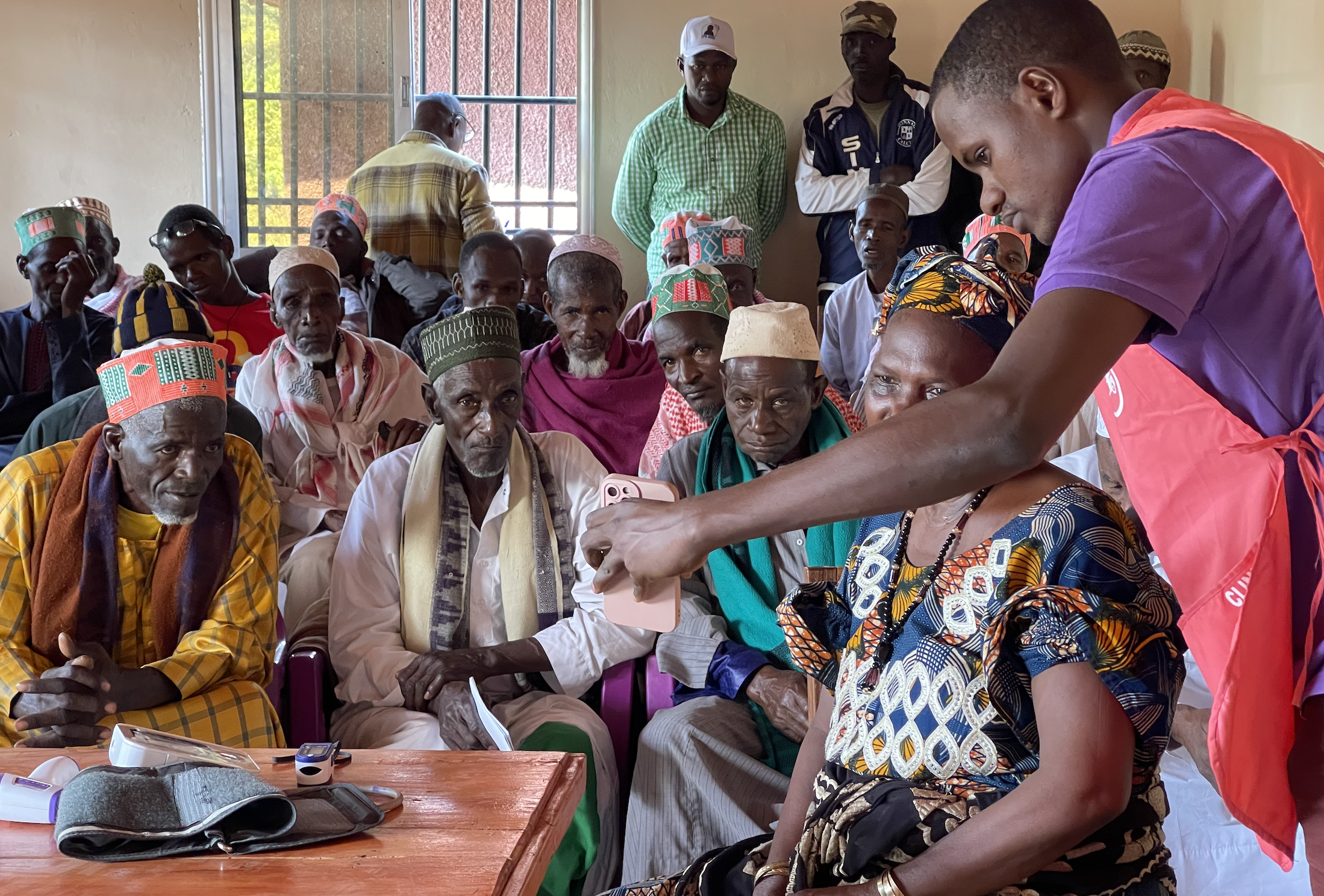
EMPOWERING COMMUNITIES
IMPROVING LIVES
Severe Healthcare Workforce Shortages With only
1 physician per 10,000 people and 4 nurses per 10,000,
many regions lack adequate medical personnel.
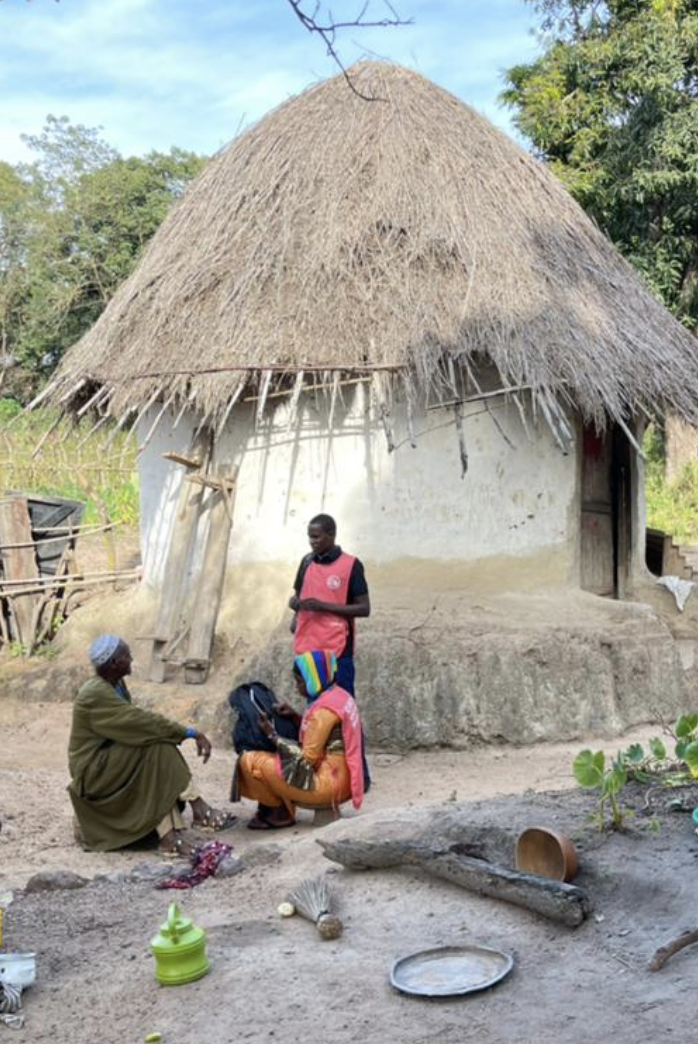
Geographic & Economic Barriers Rural populations often travel long distances to access care, incurring prohibitive transportation and service costs.
Fragmented Health Data Systems The absence of digitized patient records leads to inefficient case management and poor disease surveillance.
High Prevalence of Preventable Diseases Malaria, hypertension, maternal complications, and respiratory infections remain leading causes of mortality due to delayed diagnosis and treatment.
* Multidimensional metrics complement monetary poverty metrics by measuring non-monetary deprivations including schooling, housing, drinking water, electricity, sanitation, and cooking fuel (UNDP 2023)
Guinea’s healthcare system
faces significant structural challenges
<60% of the population lives in multidimensional poverty*
<70% live too remote from reliable affordable health care*


Our Approach
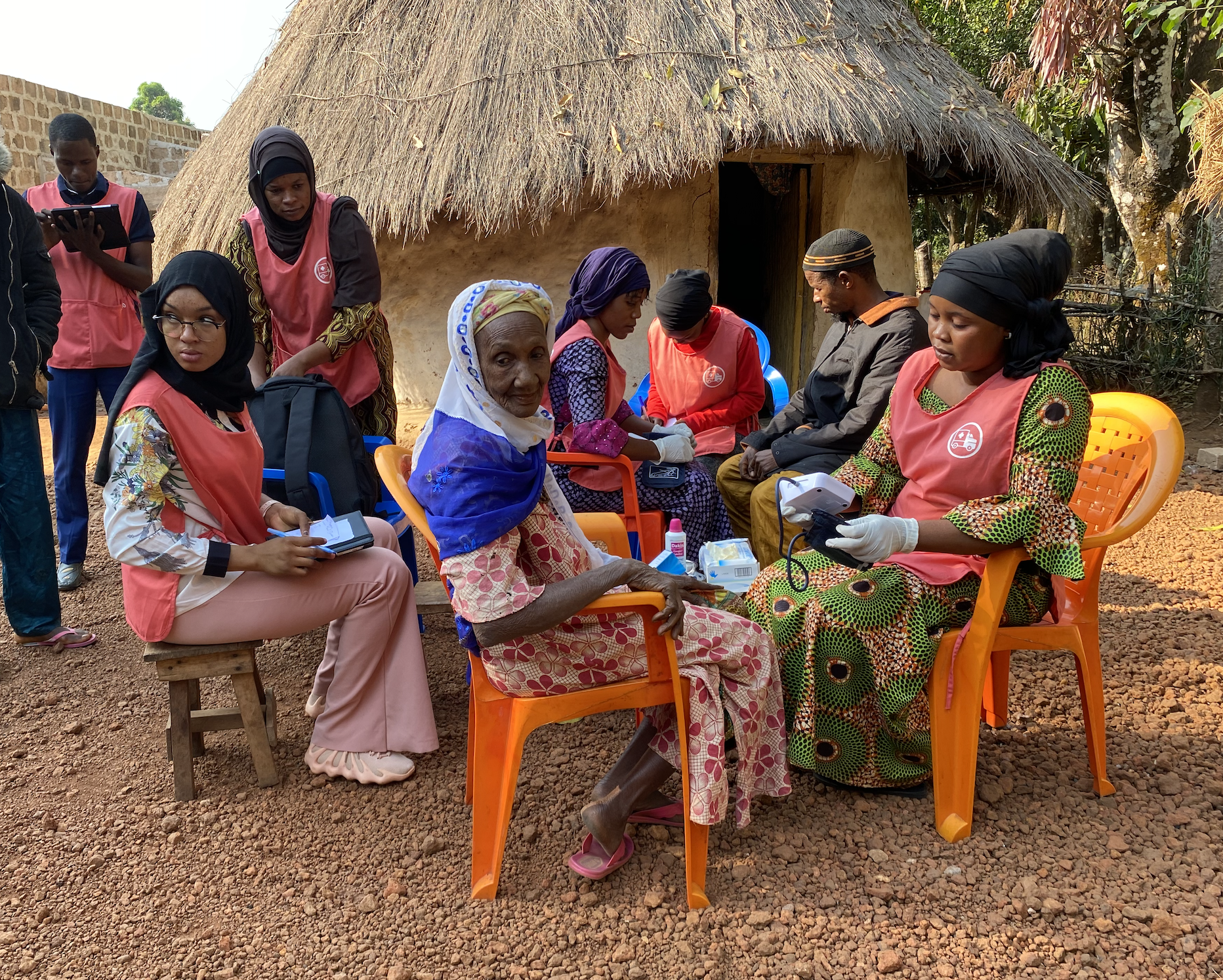
Driven by a deep-rooted commitment to healthcare equity, we create a continuous care ecosystem where community health workers are connected, equipped, and trusted to deliver high-quality care across Guinea’s most underserved communities.
CLINIC+O IN ACTION - HOW WE CREATE IMPACT
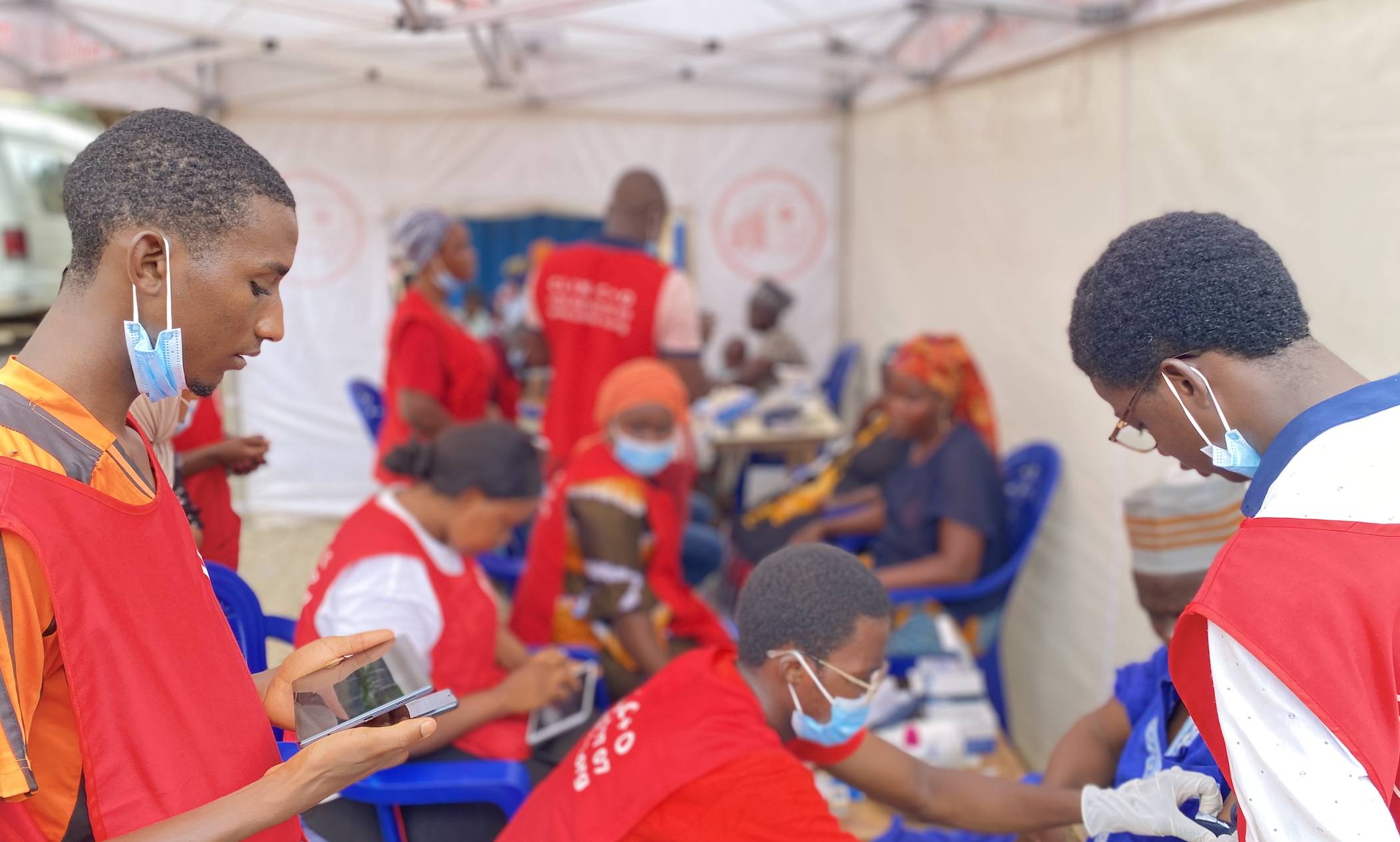
Developing and deploying mobile applications that guide CHWs and CHC staff through patient consultations, screenings, referrals, and follow-up visits.
Training frontline workers on how to use digital tools while also strengthening their knowledge of disease-specific protocols—particularly for hypertension, diabetes, TB, HIV, malnutrition, and maternal health.
Collaborating closely with government stakeholders to align digital health tools with Guinea’s broader health system strategy, and to support scale-up planning and integration into national health information systems.
Providing continuous mentorship and supervision, including real-time clinical guidance and remote check-ins to ensure ongoing quality of care.
Collecting field feedback and health data to inform refinements to our tools, ensuring they remain relevant, user-friendly, and effective.
Our Mission
“If the world managed to get a bottle of Coke on every table, we can muster the resources to ensure everyone in West Africa has access to affordable quality primary care”
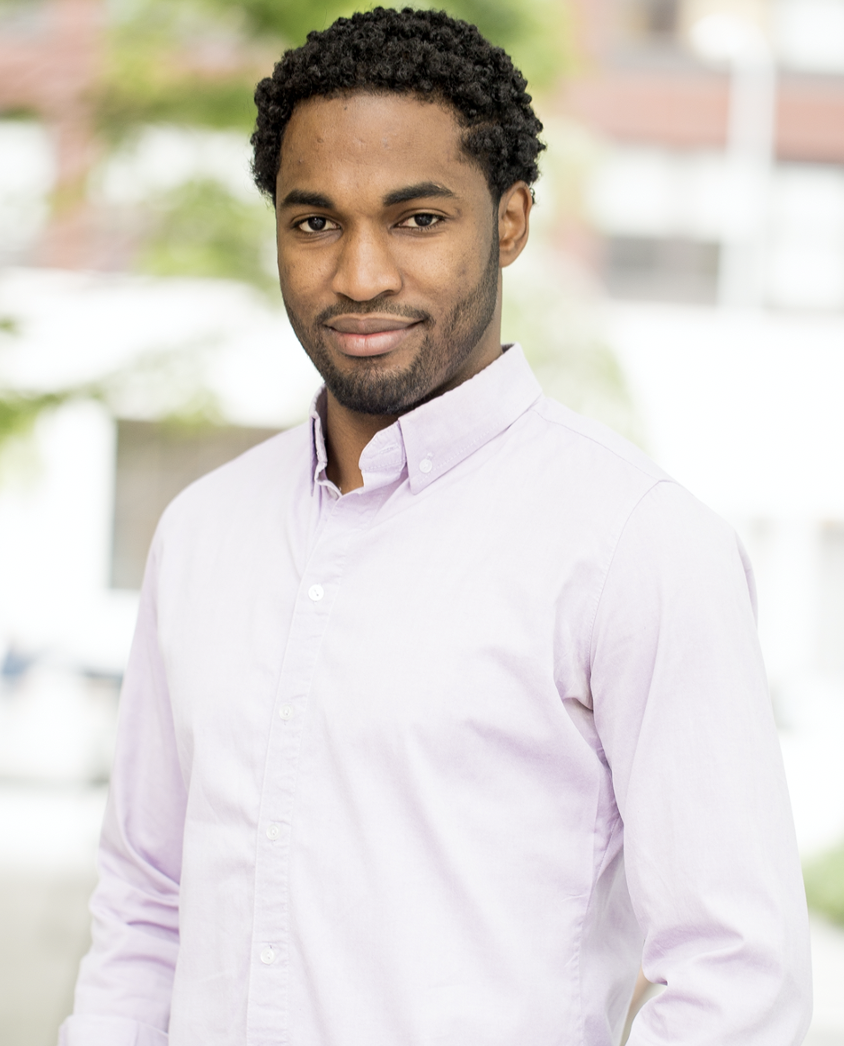
Bridging the healthcare gap for low-income communities, to build a future where every person regardless of income or location can access quality, dignified healthcare right where they live and work.
WITH PASSION
Our Progress
REACHING PATIENTS
Every day we expand access to timely, high-quality, and affordable healthcare for underserved communities across Guinea’s most underserved communities.
60,000+
reached through community health activities
22,000+
enrolled in primary care network
20,000+
preventive screenings for patients at risk for chronic conditions
18,000+
screened and treated for malaria, diabetes, and hypertension
15,000+
home care visits and teleconsultations
EMPOWERING FRONTLINE WORKERS
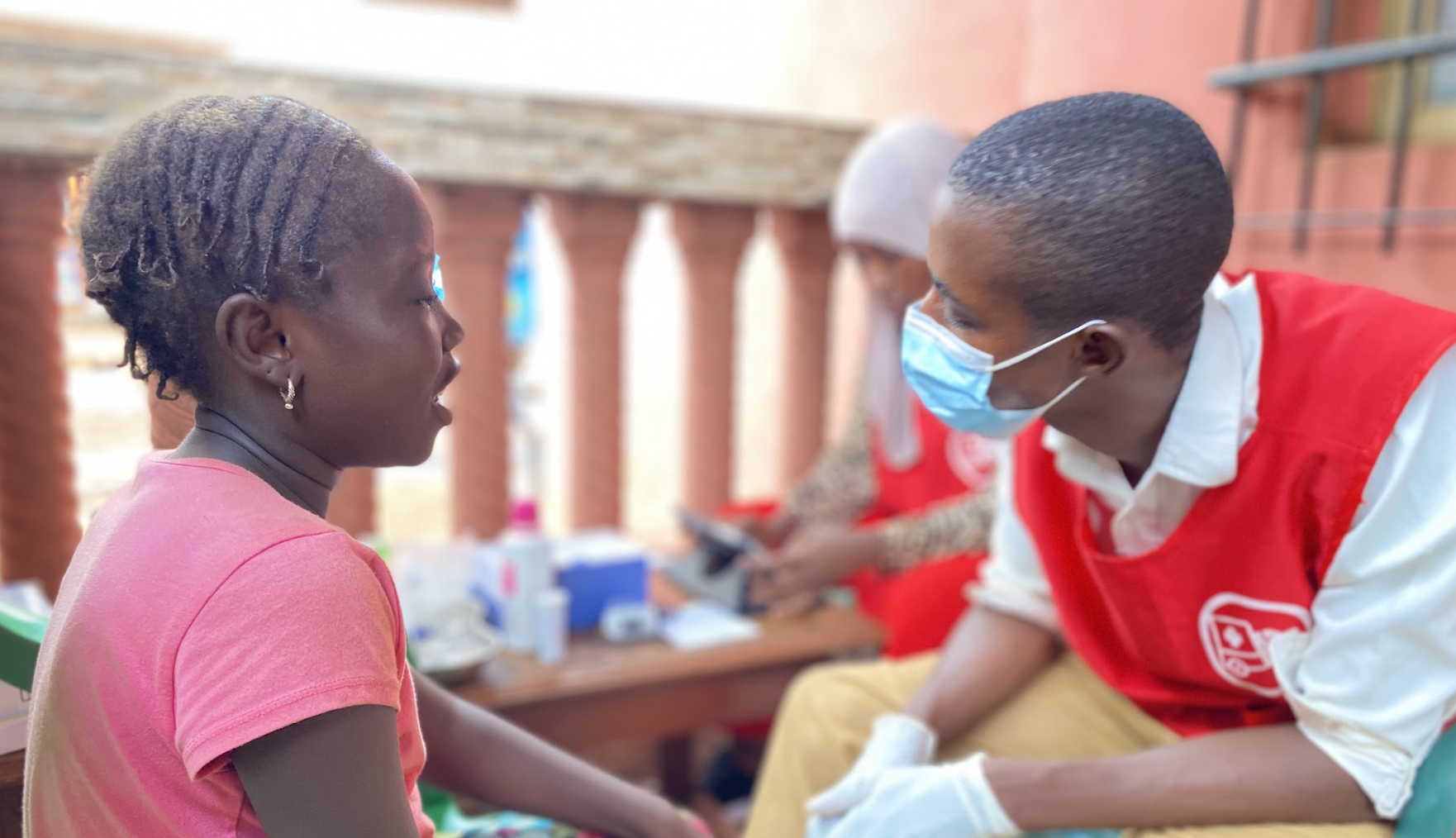
We build capacity at the community-level, by training and supporting frontline health workers - those closest to the patients who need care most.
Community officials and civic leaders trained in digital health for Clinic+O to provide services to their constituents
300+
healthcare professionals trained, equipped, & employed to provide digitally-enabled community healthcare
200+
140+
medical professionals in the field
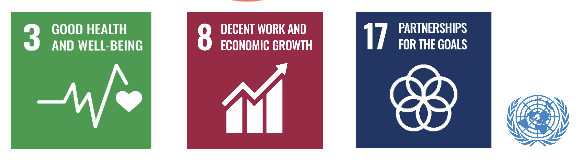
Our SDGs
With a laser-sharp focus on health equity and quality of life as drivers of economic well-being for all.
Together With Our Partners
Bridging the healthcare gap for low-income communities, to build a future where every person regardless of income or location can access quality, dignified healthcare right where they live and work.
-
![]()
Dream it.
It all begins with an idea. Maybe you want to launch a business. Maybe you want to turn a hobby into something more.
-
![]()
Build it.
It all begins with an idea. Maybe you want to launch a business. Maybe you want to turn a hobby into something more.
-
![]()
Grow it.
It all begins with an idea. Maybe you want to launch a business. Maybe you want to turn a hobby into something more.
-
![]()
Sell it.
It all begins with an idea. Maybe you want to launch a business. Maybe you want to turn a hobby into something more.



News & Stories



Severe Healthcare Workforce Shortages With only
1 physician per 10,000 people and 4 nurses per 10,000,
many regions lack adequate medical personnel.
Geographic & Economic Barriers Rural populations often travel long distances to access care, incurring prohibitive transportation and service costs.
Fragmented Health Data Systems The absence of digitized patient records leads to inefficient case management and
poor disease surveillance.
*Multidimensional metrics complement monetary poverty metrics by measuring non-monetary deprivations including schooling, housing, drinking water, electricity, sanitation, and cooking fuel (UNDP 2023)
Guinea’s healthcare system
faces significant structural challenges
<60% of the population lives in multidimensional poverty*
<70% live too remote from reliable affordable health care*
Our Approach
Driven by a deep-rooted commitment to healthcare equity, we create a continuous care ecosystem where community health workers are connected, equipped, and trusted to deliver high-quality care across Guinea’s most underserved communities.
Where We Work

CLINIC+O IN ACTION - HOW WE CREATE IMPACT
Developing and deploying mobile applications that guide CHWs and CHC staff through patient consultations, screenings, referrals, and follow-up visits.
Training frontline workers on how to use digital tools while also strengthening their knowledge of disease-specific protocols—particularly for hypertension, diabetes, TB, HIV, malnutrition, and maternal health.
Collaborating closely with government stakeholders to align digital health tools with Guinea’s broader health system strategy, and to support scale-up planning and integration into national health information systems.
Providing continuous mentorship and supervision, including real-time clinical guidance and remote check-ins to ensure ongoing quality of care.
Collecting field feedback and health data to inform refinements to our tools, ensuring they remain relevant, user-friendly, and effective.
Our Mission
Bridging the healthcare gap for low-income communities, to build a future where every person regardless of income or location can access quality, dignified healthcare right where they live and work.