
Our model was designed in West Africa, with West African governments, for West African communities. We don’t import or adapt Northern models - we build from the ground up:.
Built Here, Proven Here
Chronic diseases, not just childhood illness:
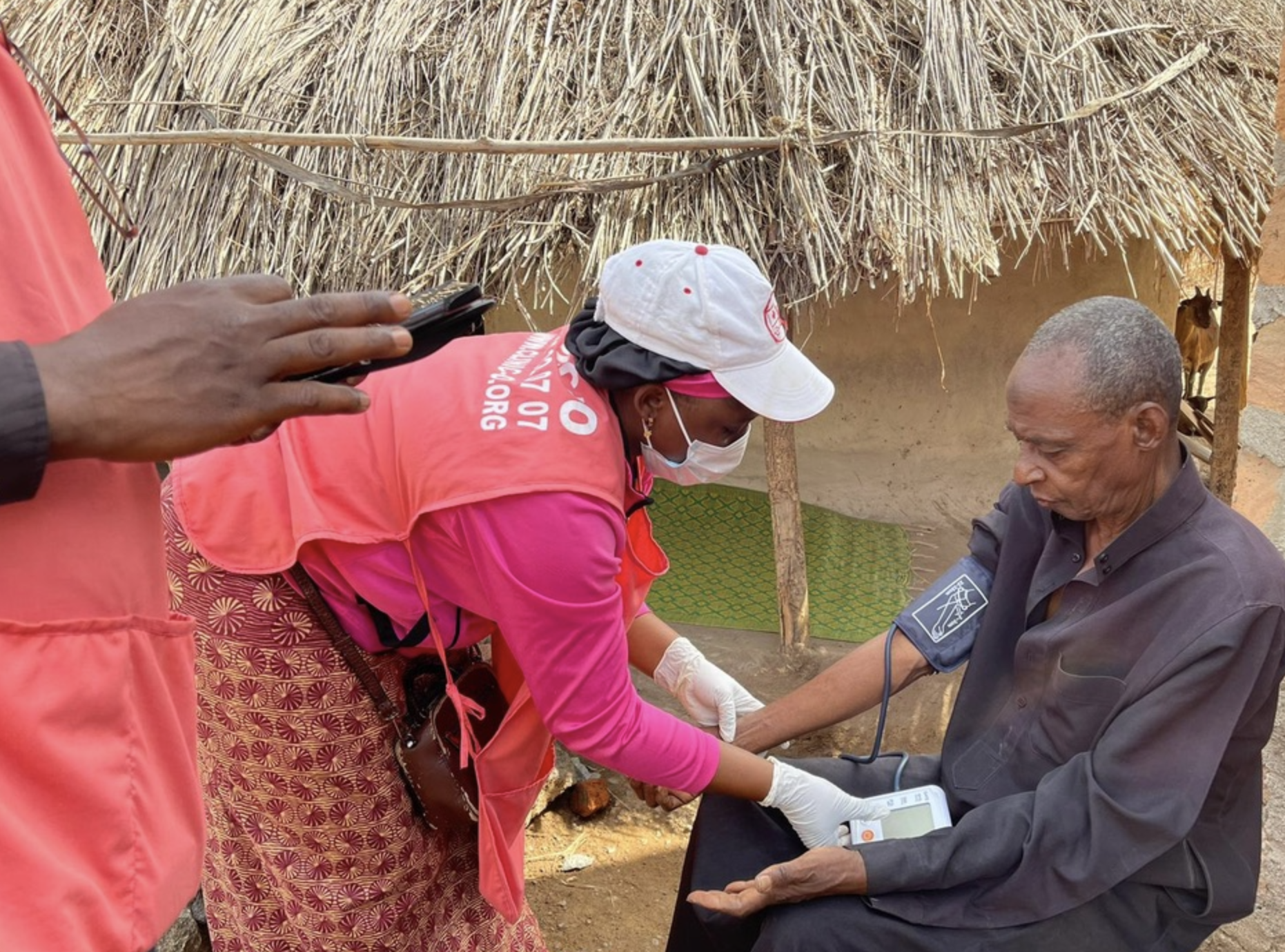
We specialize in hypertension, diabetes, and cardiovascular disease - the conditions responsible for 40%+ of deaths in both Guinea and Senegal - at the community level where most programs stop.
Care patients can afford:
At $1 per visit, we’ve designed for the communities we serve, not for donors. Our blended financing model combines co-payments, government cost-sharing, and philanthropy.
Two countries, two Ministry of Health partnerships:
We operate inside public health systems in Guinea and Senegal, working with government - not around it.
AI-powered diagnostics, community-level delivery:
In 2026, we’re integrating AI-supported clinical decision tools and WhatsApp-based patient engagement into our platform - making our CHWs more effective than ever.
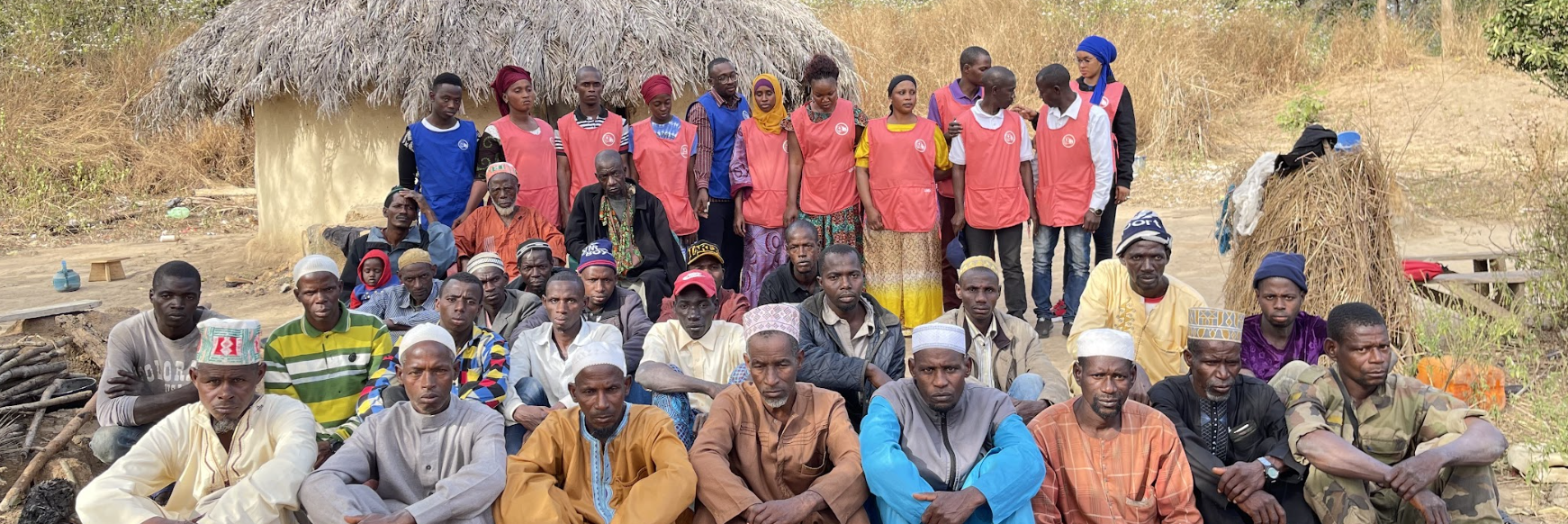
These are not statistics about faraway problems. In communities like Ouré-Kaba in Guinea and Khombole in Senegal, they are the reality every family lives. Clinic+O exists to change what’s possible.
The Problem in Numbers
40%+ of deaths in both Guinea and Senegal are caused by non-communicable diseases
28% of Senegalese adults are hypertensive - but only 1 in 10 are aware
4% of adults in Senegal have diabetes; follow-up remains very limited
86% of Senegalese adults are physically inactive
Across both countries, fewer than 1 in 10 people have regular access to a doctor

Our Theory of Change
-
"We design safe ethical digital tools built for the realities of low-resource settings. Our technology strengthens, not replaces the human relationships that make primary care work."
-
"We equip Community Health Workers with the knowledge and digital skills they need to screen, diagnose, and support patients confidently. Training ensures quality care reaches every household."
-
"We partner with local health systems, CHWs, and community leaders so they can drive solutions themselves. Our role is to strengthen capacity, not create parallel structures."
-
"We transform frontline data into actionable insights that improve patient outcomes, guide clinical decisions, and help governments allocate resources more effectively."