
In Guinea and Senegal, non-communicable diseases - hypertension, diabetes, cardiovascular disease - now account for more than 40% of all deaths. Yet in most communities, fewer than one in ten people know they have these conditions. The system to find them, treat them, and follow up with them doesn’t reach the last mile.
What We Do
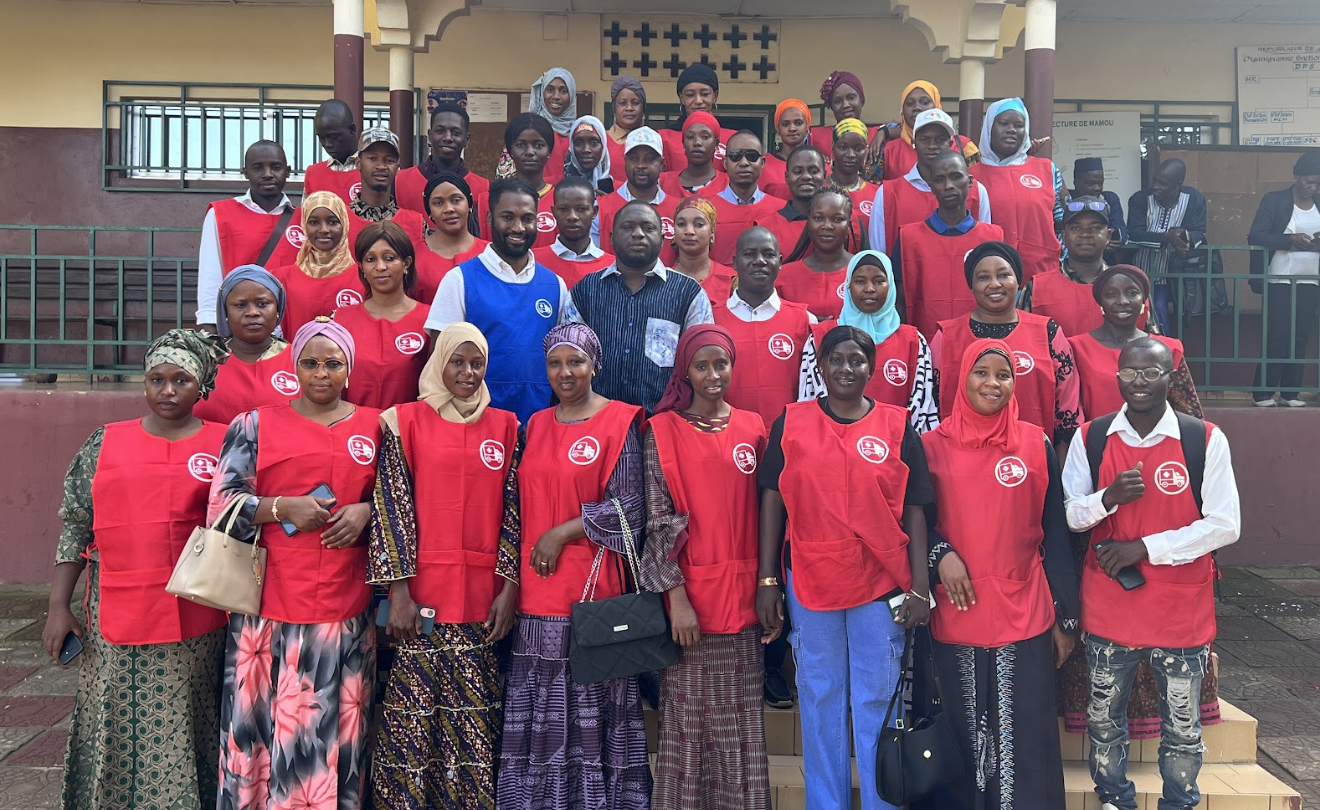
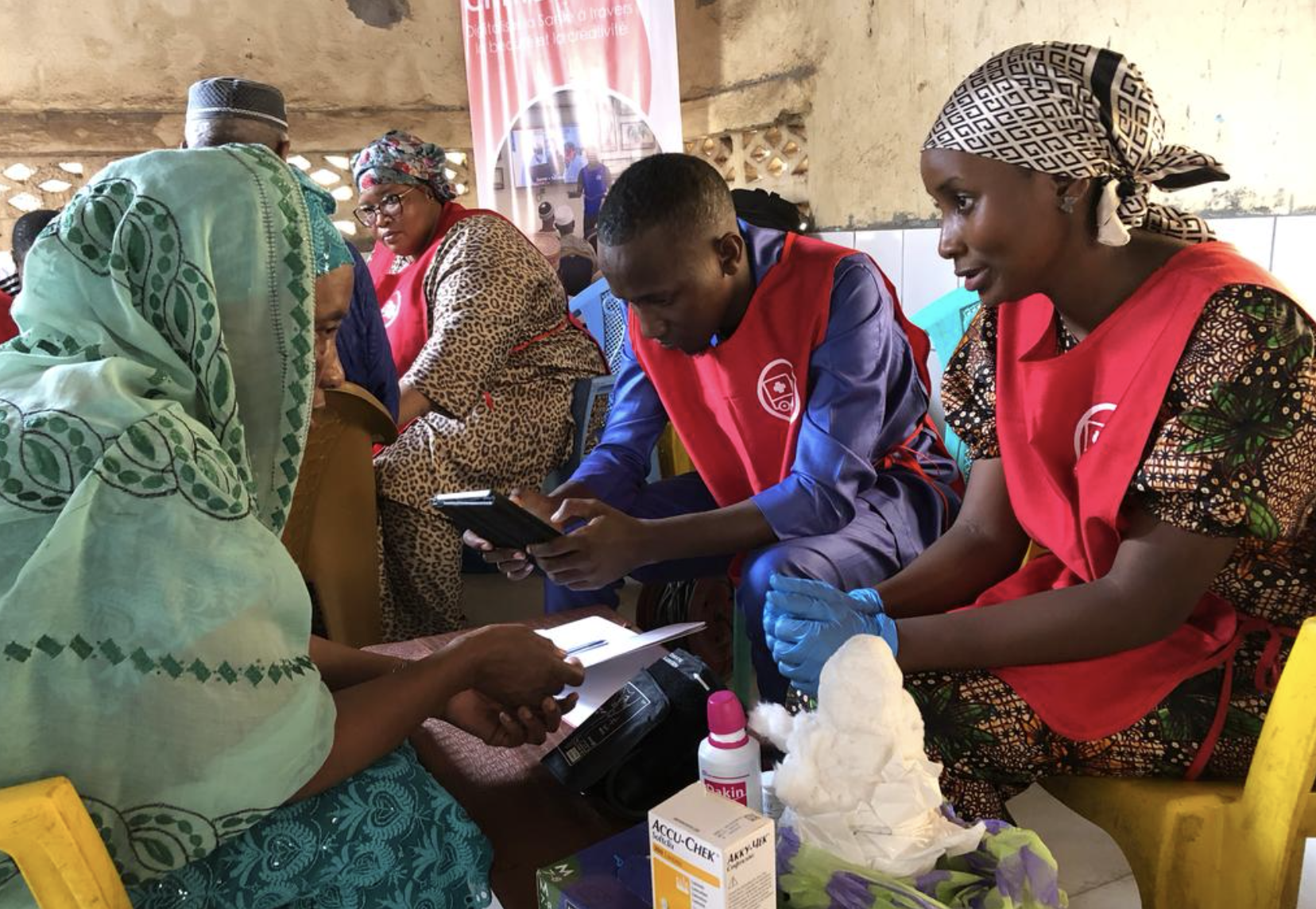
We equip government-employed community health workers and nurses with mobile apps, AI-supported diagnostics, and clinical training to deliver continuous, affordable NCD care from doorstep to clinic and back again. Our model is government-embedded, not parallel. Locally built, not imported. And designed to last.
Closing the Gap
Guinea (2025–2028)
2020–2024: Pilot in Ouré-Kaba, 45,000 population covered, model validated
2024: Extended to 5 additional health centres; 500,000+ population coverage
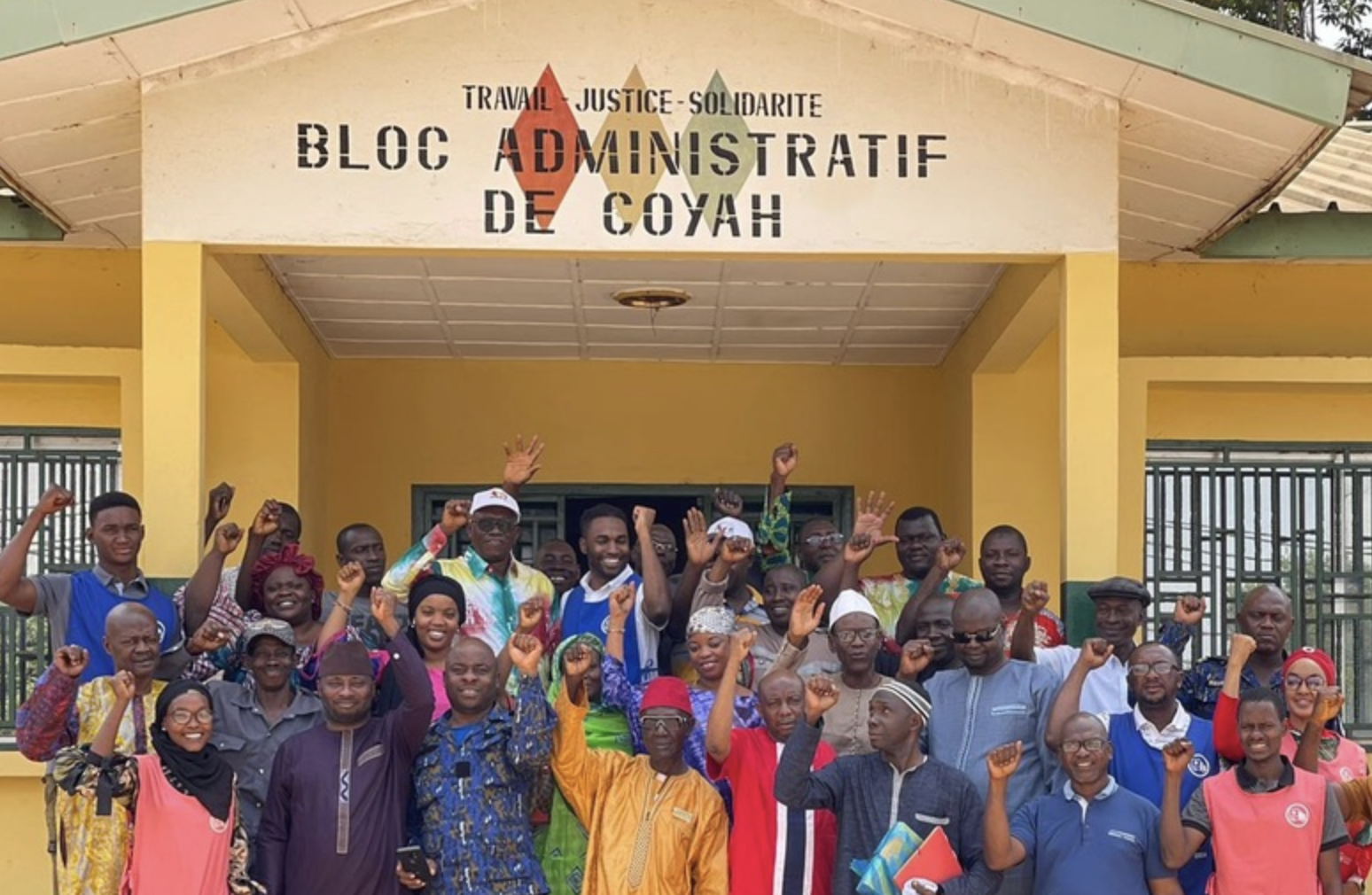
2026: 6 new CHCs in Mamou, AI diagnostics deployed, mobile clinic launched 2028 target: 400 health centers, 8 million people reached
Clinic+O Progress
Senegal (2025–2028)
2025: Partnership signed; Baobab Institute co-design; 3 health facilities prepared; 20+ CHWs recruited
March 2026: Training and screening launch in Dakar Ouest and Khombole districts
2027: 11 districts, 241,667 beneficiaries
2028: 21 districts, 781,667 beneficiaries; cost per beneficiary falls to $0.66
Our Field Presence
SMART CARE HUBS
Made dramatically more capable through our technology and training, we equip existing government-run community health centres with Clinic+O’s digital platform, trained clinical staff, and connection to remote physician supervision.
At the center of our model
MOBILE CLINICS
Taking the clinic to the Community
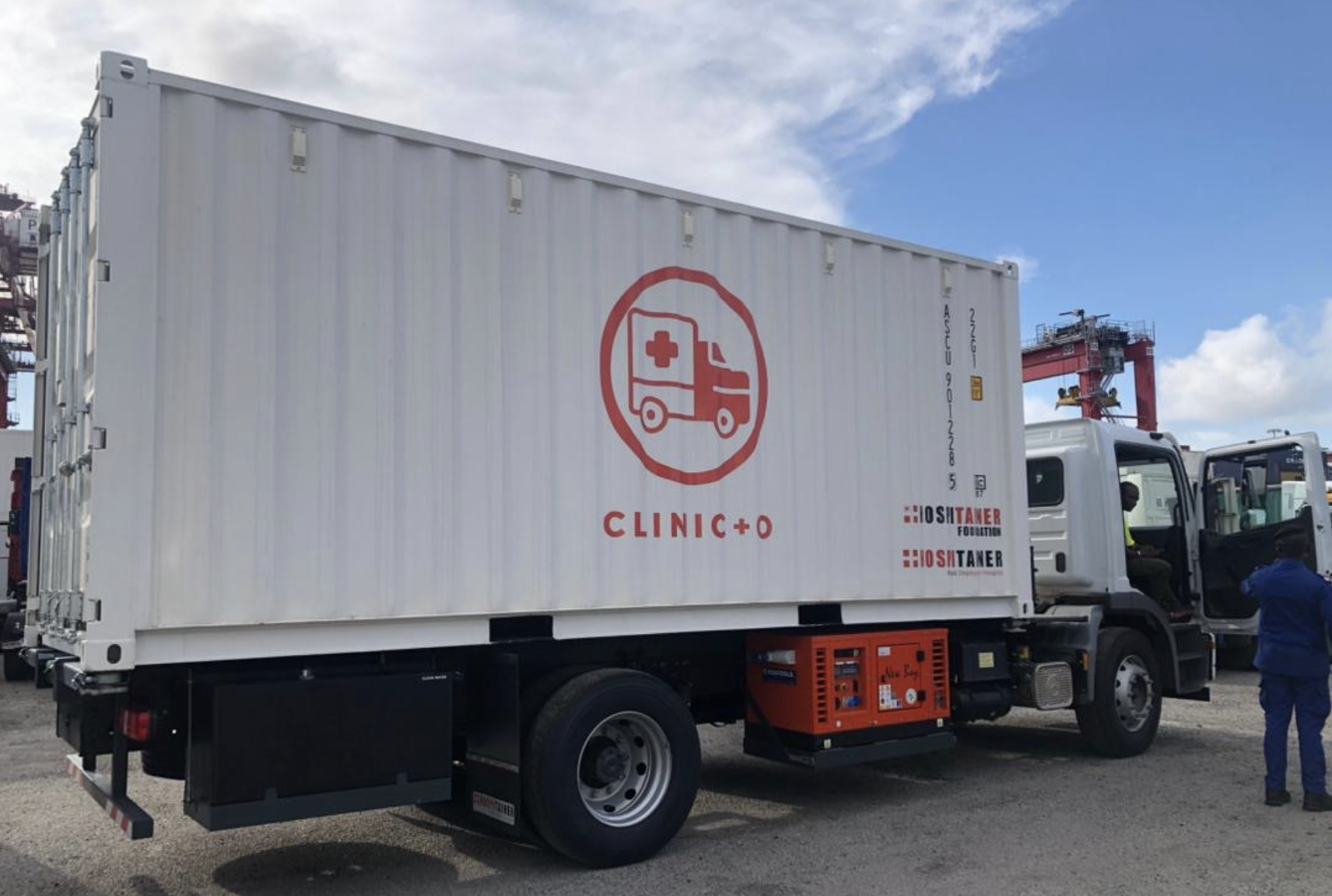
In 2026, we’re launching our first mobile clinic in partnership with Hospitainer, serving peri-urban and workplace populations in Conakry, Coyah, and Dubreka. The mobile clinic offers general consultations, lab testing, and NCD follow-up - bringing the full Clinic+O model to communities that can’t reach a fixed facility.
CONSULTATION TENTS
Reaching people where they live
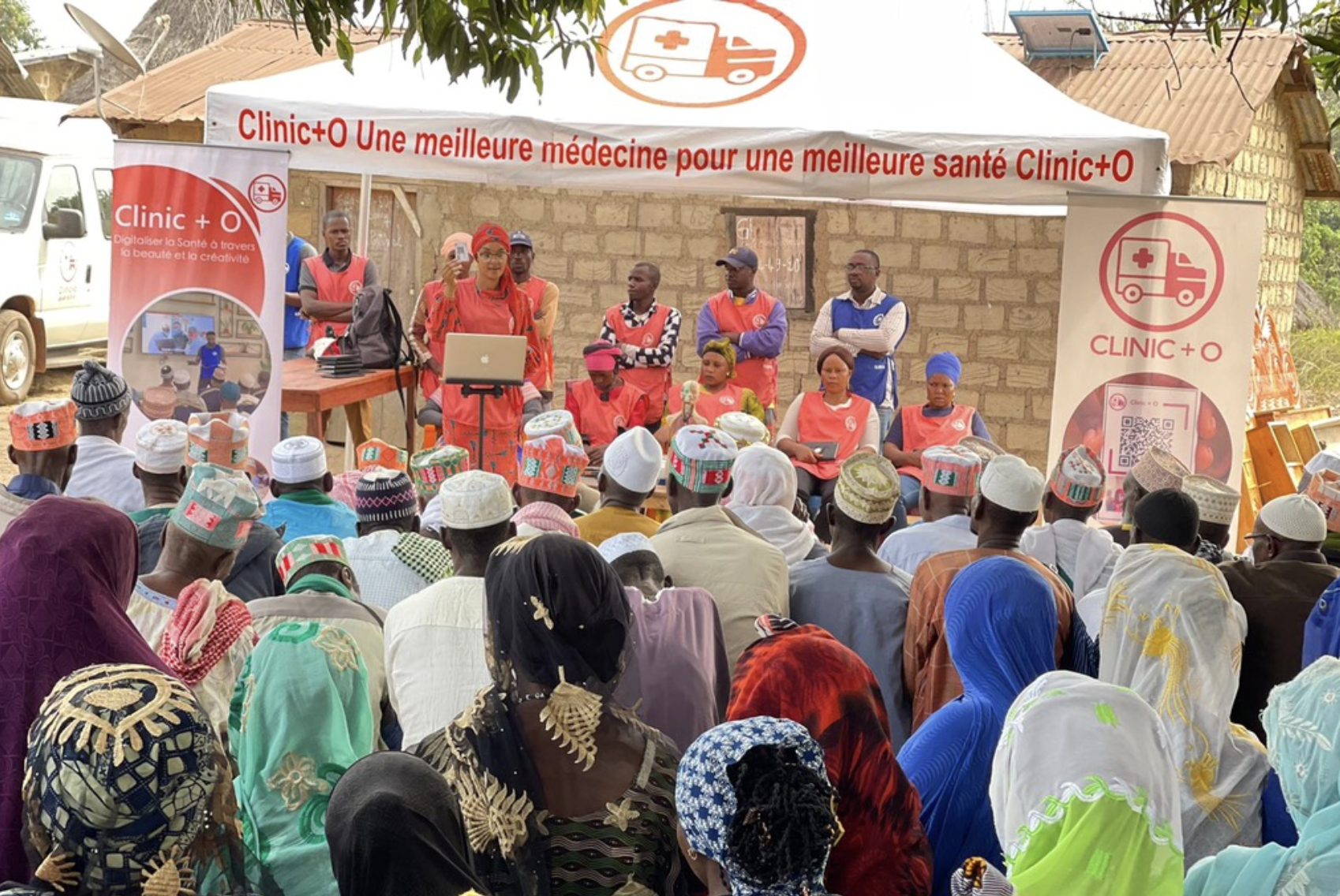
At the community level, we provide mass consultations - replacing low-income patients’ costly long-distance travel with treatment options in direct proximity to their homes and places of work.
Technology That Works And Learns
Our primary care model is powered by software developed and managed in-house, accessible to all patients and healthcare providers on our network.
SMARTPHONES
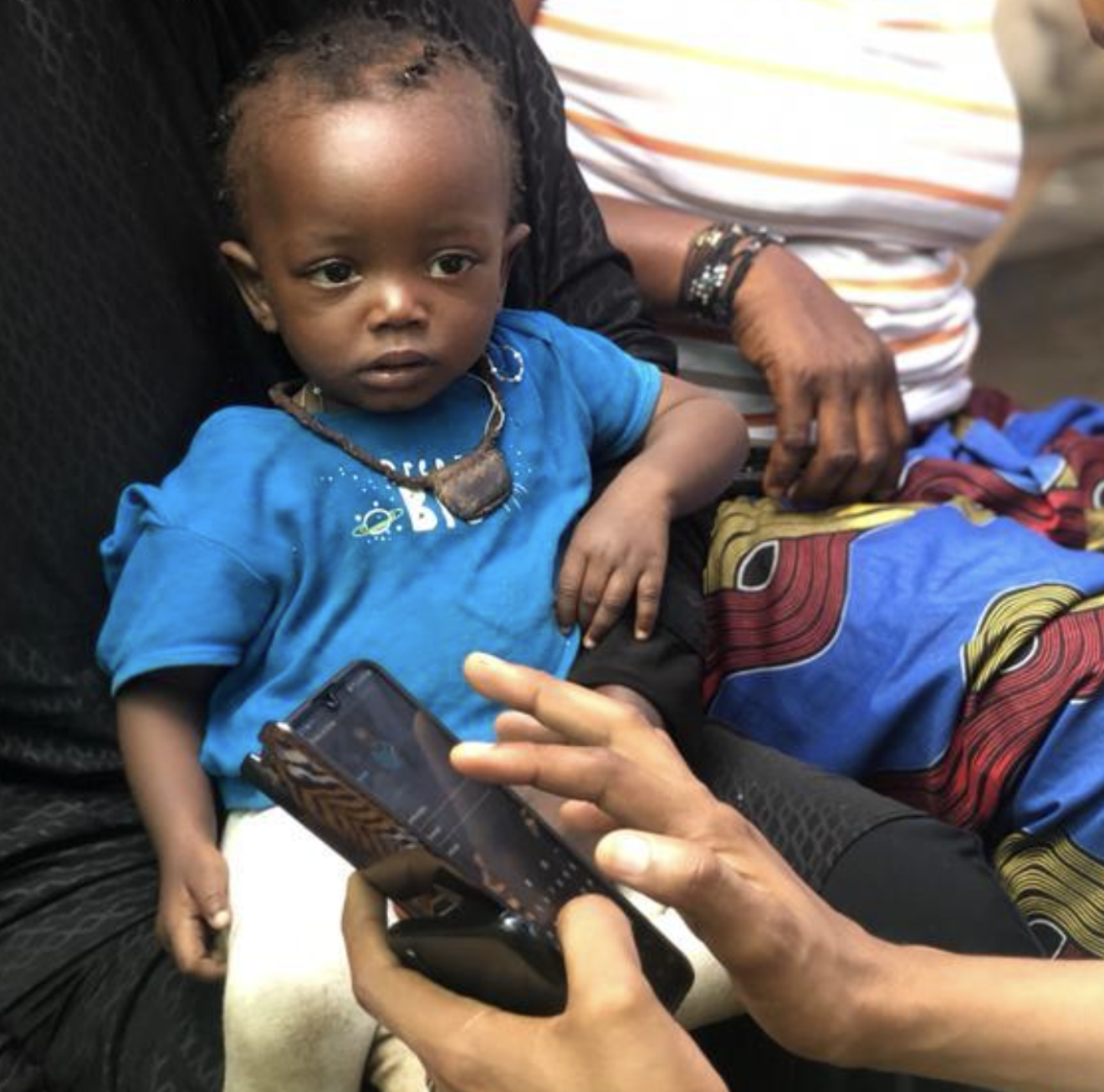
A mobile health platform running on standard smartphones with minimal data requirements, supporting clinical decision-making, patient records, and referral management.
AI
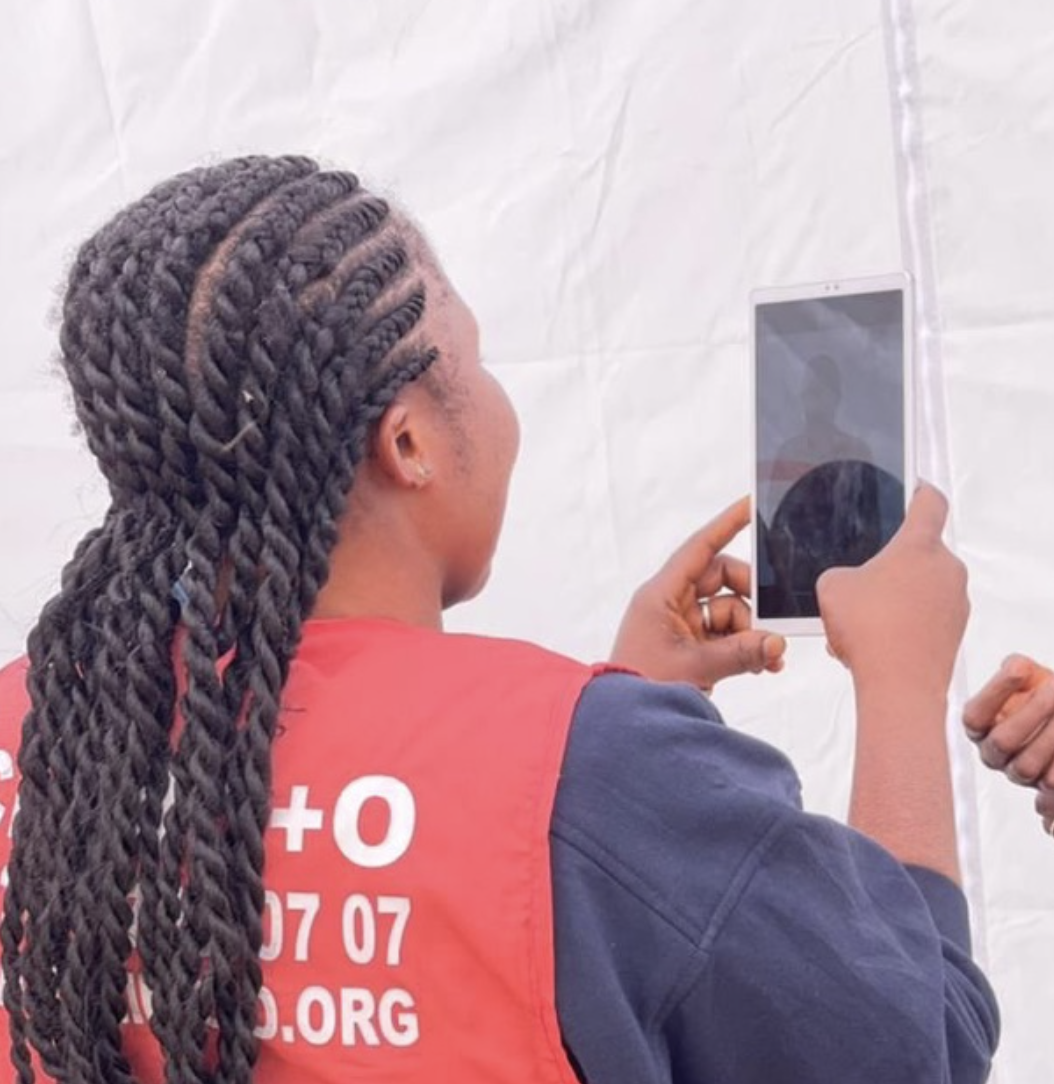
AI-supported diagnostic modules (deploying 2026) that help CHWs manage more patients, more accurately, in low-connectivity environments.
WhatsApp-based symptom assessment and scheduling via Turn.io - meeting patients on platforms they already use.
CARE CARD
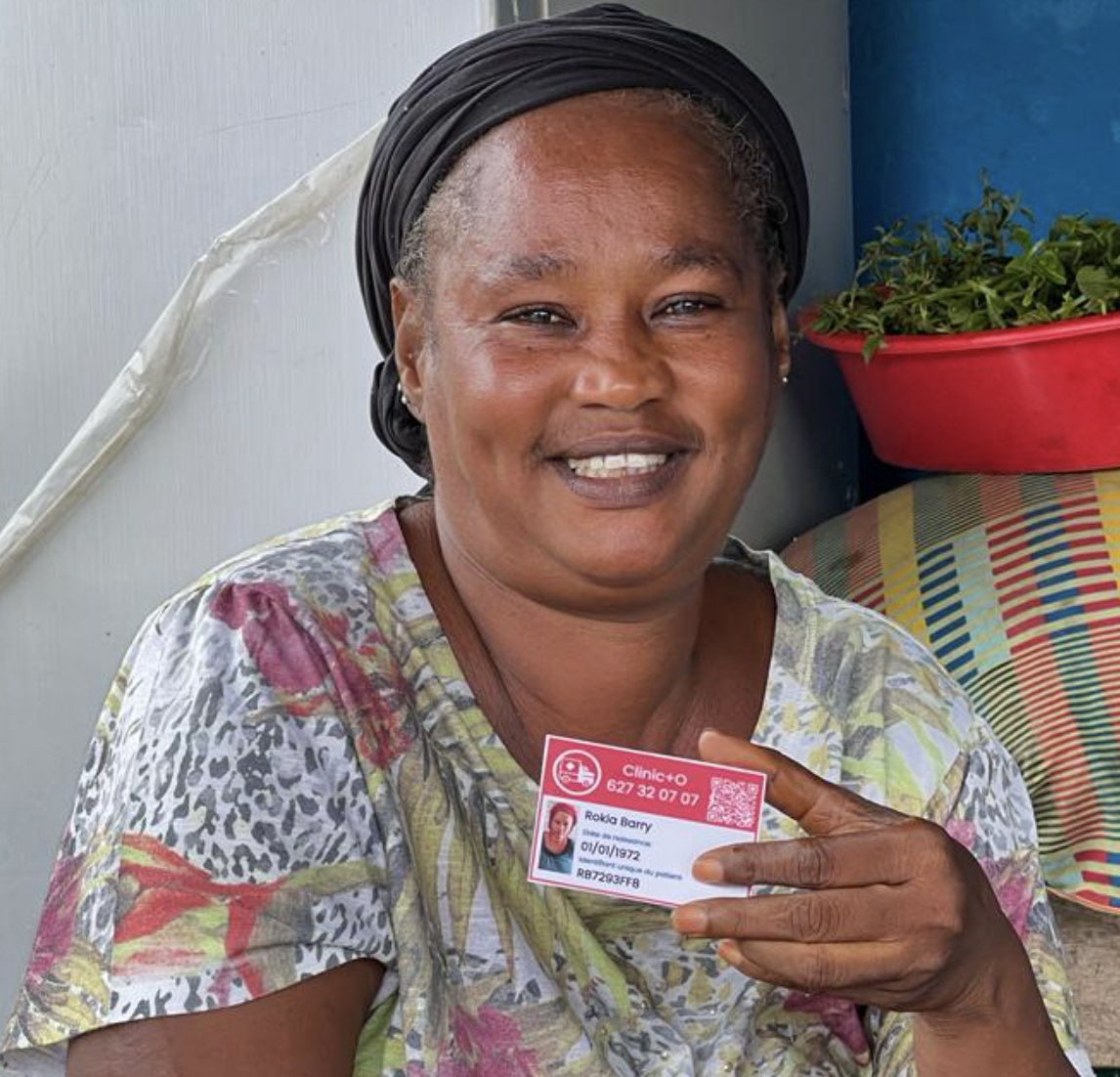
A proprietary smart care card - a portable, continuous health record that travels with every patient, the first of its kind in Guinea.
DHIS2
DHIS2 integration in both Guinea and Senegal, feeding real-time community health data into national health systems.
OPEN SOURCE
Open-source infrastructure that governments can own and maintain beyond the program cycle.