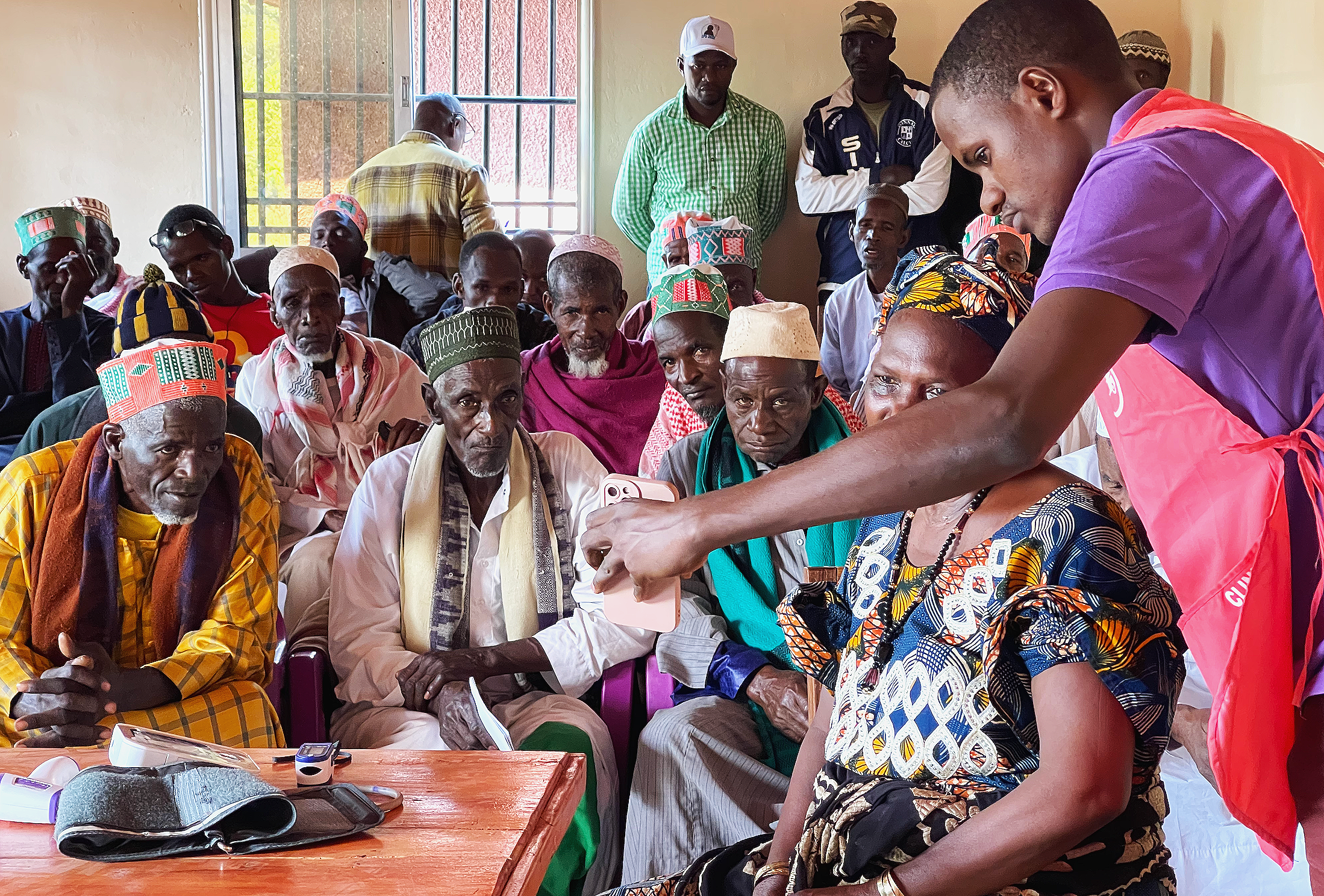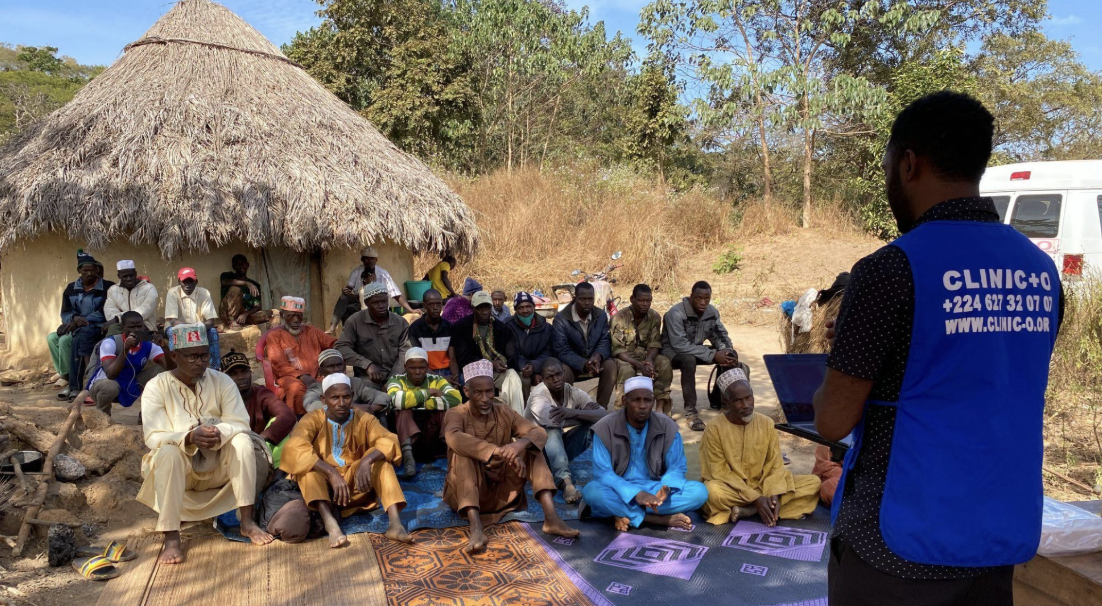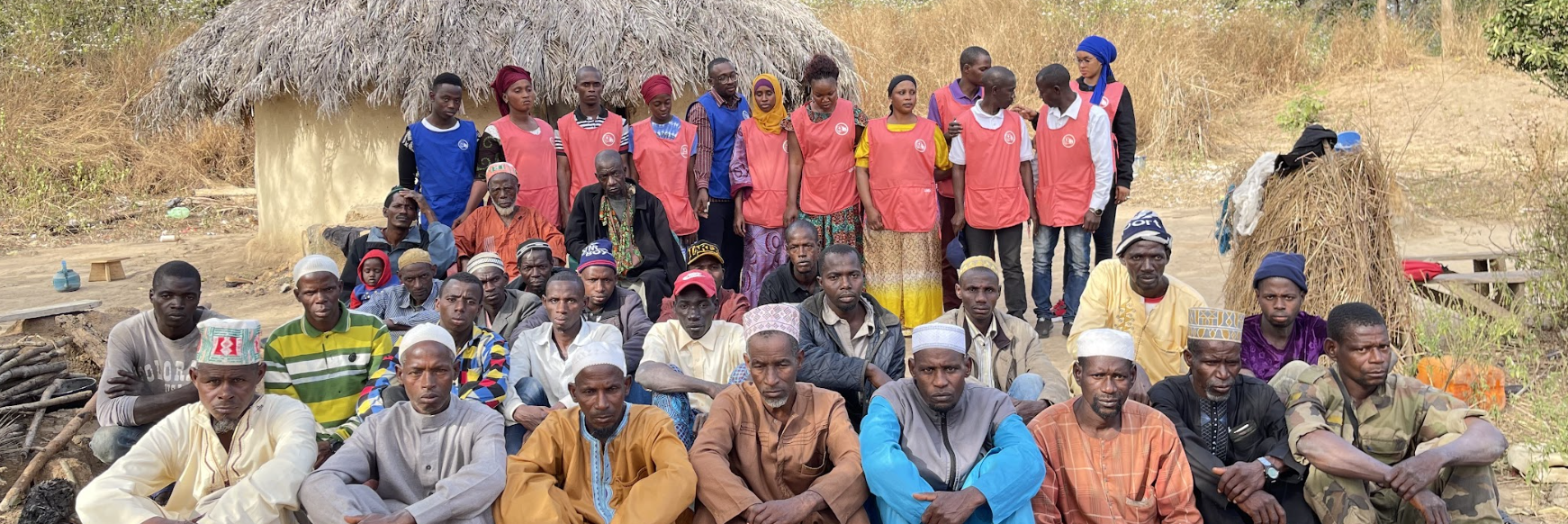
Across Guinea and Senegal, non-communicable diseases cause more than 40% of deaths — and fewer than 1 in 10 people have regular access to a doctor.
Why It Matters
Most community health programmes were built for childhood illness — malaria, diarrhoea, vaccination. Chronic conditions like hypertension and diabetes require something different: repeat contact, ongoing monitoring, and follow-up over years, not a single visit. That's where most programmes stop.
Why the Gap Persists
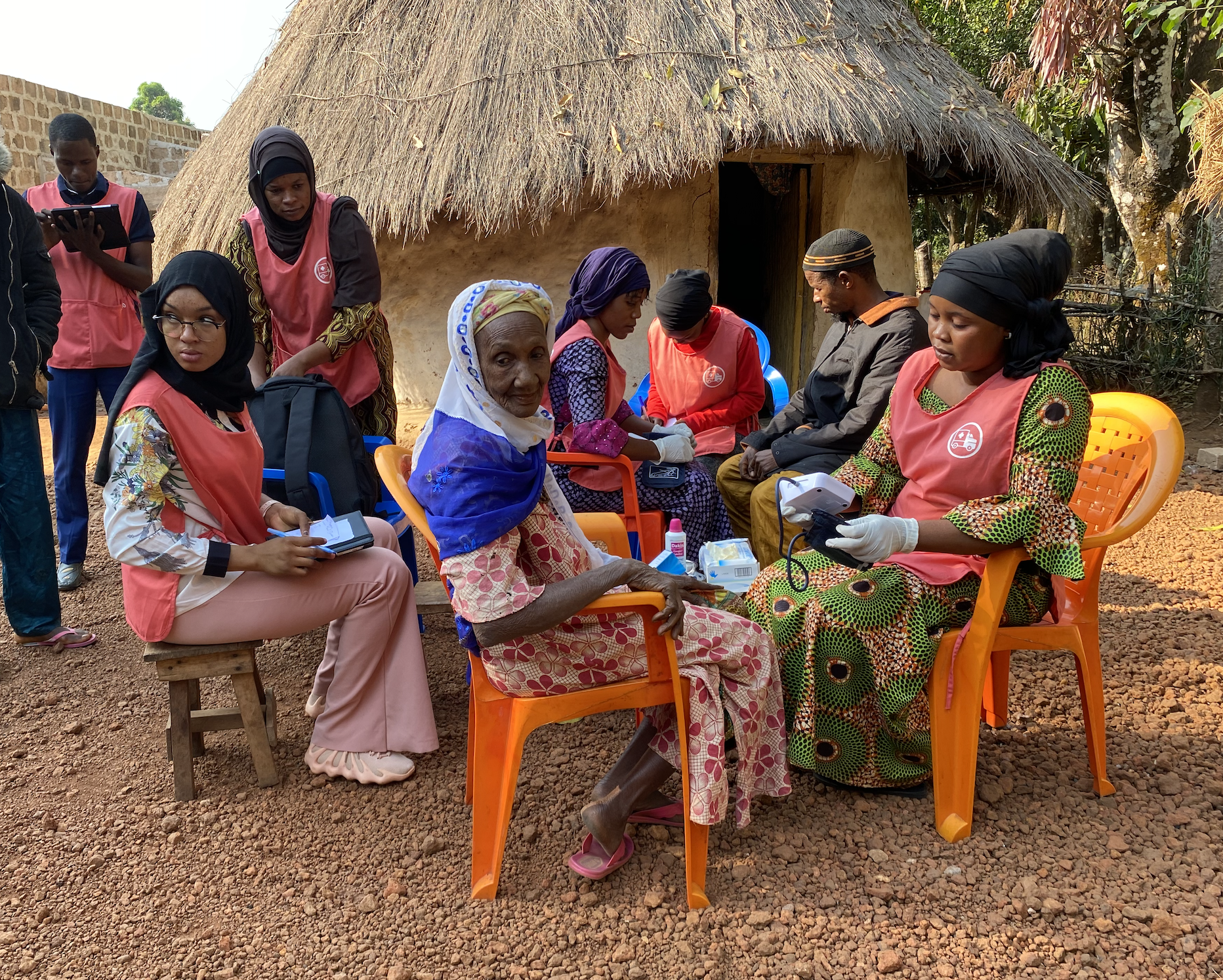
Chronic disease is now the leading cause of death in both countries we serve — and the systems to detect it reach almost no one.
The Problem in Numbers
40%+
of deaths in both Guinea and Senegal are caused by non-communicable diseases.
28%
of Senegalese adults are hypertensive but only 1 in 10 are aware
4%
of adults in Senegal have diabetes, follow-up remains very limited.
86%
of Senegalese adults are physically inactive
<1 in 10
people across both countries have regular access to a doctor
These are not statistics about faraway problems. In communities like Ouré-Kaba in Guinea and Khombole in Senegal, they are the reality every family lives. Clinic+O exists to change what's possible.
Built Here, Proven Here
Our model was designed in West Africa, with West African governments, for West African communities. We don't import or adapt Northern models, we build from the ground up.
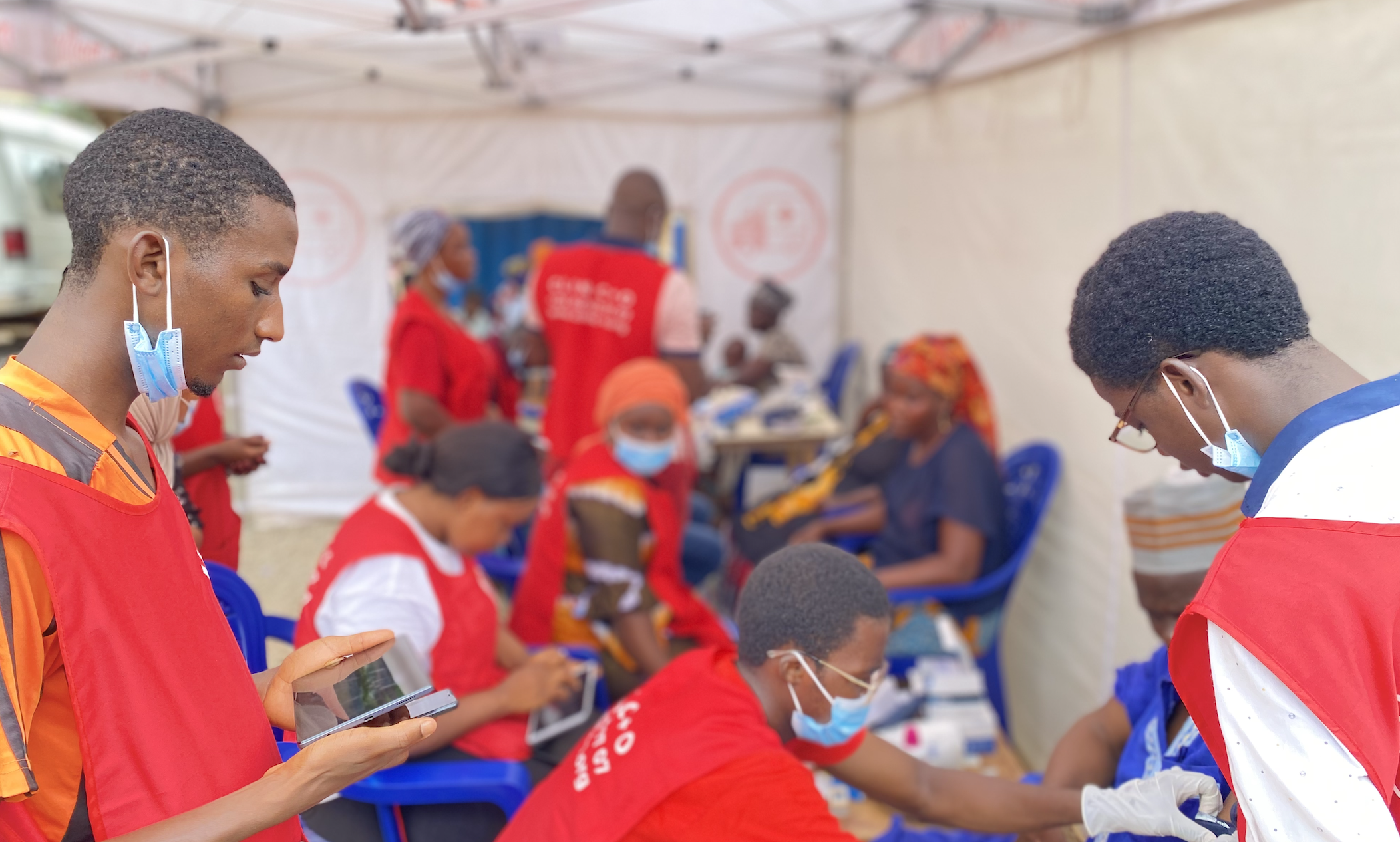
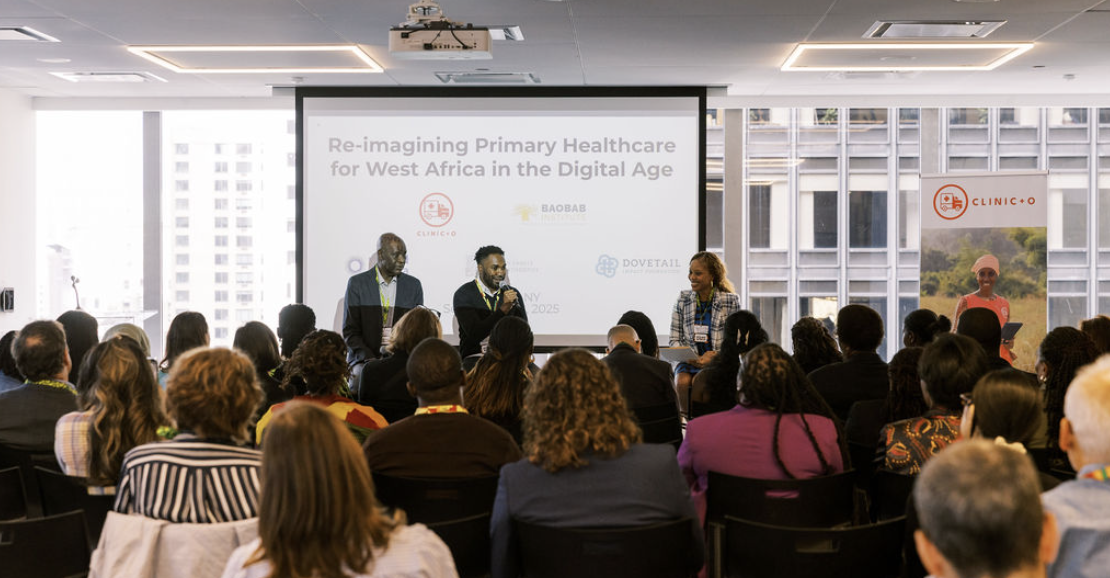
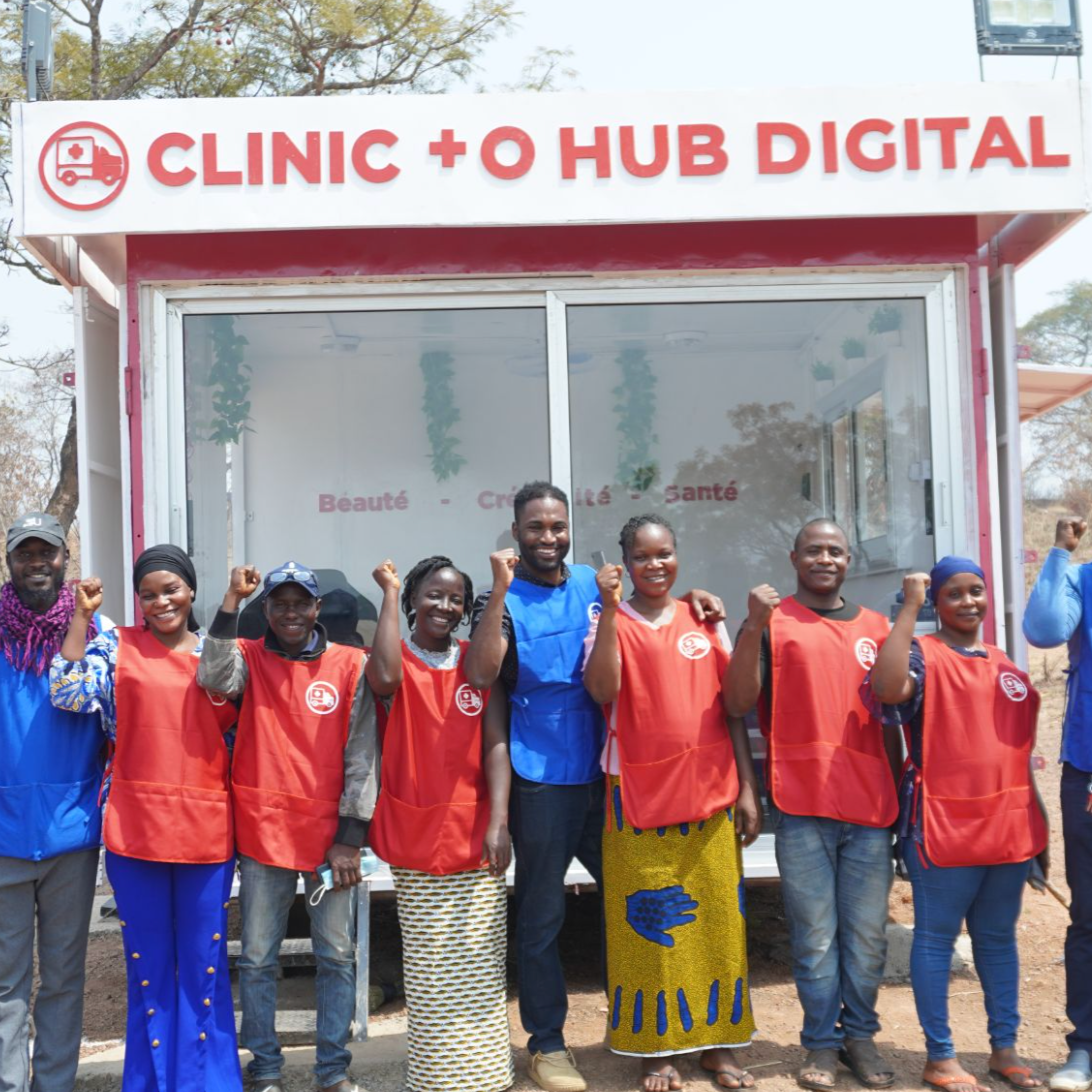
In 2026, we’re integrating AI-supported clinical decision tools and WhatsApp-based patient engagement into our platform - making our CHWs more effective than ever.
We operate inside public health systems in Guinea and Senegal, working with government - not around it.
At $1 per visit, we’ve designed for the communities we serve, not for donors. Our blended financing model combines co-payments, government cost-sharing, and philanthropy.
We specialize in hypertension, diabetes, and cardiovascular disease - the conditions responsible for 40%+ of deaths in both Guinea and Senegal - at the community level where most programs stop.
Chronic diseases, not just childhood illness:
Care patients can afford
Two countries, two Ministry of Health partnerships
AI-powered diagnostics, community-level delivery
Built Here, Proven Here
Our model was designed in West Africa, with West African governments, for West African communities. We don't import or adapt Northern models, we build from the ground up.
-
We specialize in hypertension, diabetes, and cardiovascular disease - the conditions responsible for 40%+ of deaths in both Guinea and Senegal - at the community level where most programs stop.
-
At $1 per visit, we’ve designed for the communities we serve, not for donors. Our blended financing model combines co-payments, government cost-sharing, and philanthropy.
-
We operate inside public health systems in Guinea and Senegal, working with government - not around it.
-
In 2026, we’re integrating AI-supported clinical decision tools and WhatsApp-based patient engagement into our platform - making our CHWs more effective than ever.
Our Theory of Change